


 Germany
Can Germany's Desert Red Sandstone be used exterior applications in very humid climates?
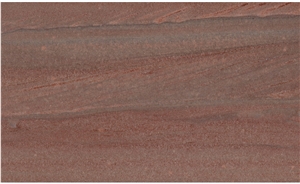
Germanys Desert Red Sandstone, also known as Altmühltal Sandstone, is commonly used for exterior applications due to its durability and weather-resistant properties. However, its suitability for very humid climates may depend on a few factors:
1. Porosity: Sandstone is a porous material, and its ability to absorb moisture is a concern in humid climates. Excess moisture can lead to staining, mold, and decay. It is advisable to choose a dense variety of sandstone with low porosity for humid climates.
2. Finishing: The surface finish of the sandstone plays a crucial role in its moisture resistance. Proper sealing or coating can enhance the stones resistance to moisture and minimize its absorption.
3. Maintenance: Regular maintenance, including cleaning and sealing, is essential to prevent moisture-related issues. Proper cleaning schedules, using appropriate cleaning agents, and resealing periodically can help protect the sandstone in a humid climate.
4. Installation: Proper installation techniques, including suitable drainage and waterproofing measures, can contribute to the longevity of the sandstone in very humid climates. Ensuring the stone is installed with adequate gaps for drainage and proper sealing of joints can help minimize moisture-related problems.
Ultimately, while Germanys Desert Red Sandstone can be used for exterior applications in humid climates, it is important to consider the factors mentioned above and consult with professionals or suppliers experienced in working with the specific sandstone variant to ensure its suitability and longevity in such conditions.

 India


 China

 United States


 Canada


