Post Your Needs

Cygnus Quartzite

Grey - Quartzite

Brazil

About

Item Details

Material Type:
Quartzite
Origin:
Brazil
Primary Color(s):
Grey
Recommended Usage:
Kitchen and bathroom countertops, monuments, building stone, ornamental stone, stairs, interior, exterior wall and floor applications, mosaic, waterjet pattern, wall panels, table tops, window sills, pavers, cobble stone
Additional Names:
Cignus Quartzite, Cygnus Brown Quartzite, Cygnus Granite, Granito Cignus, Cignus Granite, Segounas Quartzite, Moon Surface Quartzite, Black Silk Granite, in China stone market:塞古纳斯(Sāi gǔ nà sī), Cygnus Quartzite
Finished Surface:
Polished,Bush Hammered,Tumbled,Brushed,Honed,Split,Machine Cut,Natural Surface,Sandblasted,Acid Washing,Combed,Leathered,Water Jet,Filled,Chiseled,Pickling

Testing

Water Absorption:
< 0.5%
Density:
2.63 to 2.75 g/cm3
Flexural Strength:
10-15 MPa
Compressive Strength:
150 to 250 MPa (21,750 to 36,250 psi)

Description

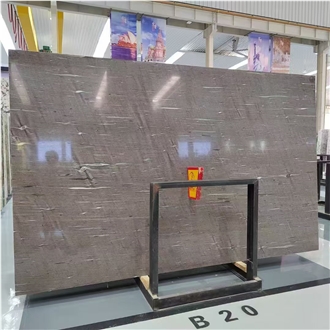
Cygnus Quartzite is a type of natural stone known for its beautiful and unique appearance. Cygnus Quartzite typically features a dark to medium earth gray base color. It is known for its subtle and intricate patterns, which can include shades of gray, white, cream, and beige. The overall effect is a soft and sophisticated color palette.

This quartzite is characterized by its intricate veining patterns and delicate movements. The veins can vary in thickness and intensity, creating a sense of depth and visual interest. The patterns may resemble flowing water, wisps of clouds, or other natural formations, giving the stone an elegant and organic appearance.

Cygnus Quartzite has a generally smooth texture. While it is not completely uniform, it does not typically have a highly pronounced or rugged texture. The surface can be finished with a polished or honed look, depending on the desired aesthetic.

Quartzite is known for its durability and strength, making it suitable for various applications. It is highly resistant to heat, scratches, and stains, making it a popular choice for countertops, flooring, wall cladding, and other surfaces.

Cygnus Quartzite is commonly used in both residential and commercial settings. Its subtle and sophisticated appearance makes it suitable for a range of design styles, from contemporary to traditional. It can be utilized for kitchen countertops, bathroom vanities, fireplace surrounds, flooring, and more.

As with any natural stone, there can be variations in the appearance of Cygnus Quartzite from one slab to another. It's recommended to view physical samples or images of the specific quartzite you are considering to get a better understanding of its color, veining patterns, and overall aesthetic.

FAQ

Can I cut meat on my Cygnus Quartzite kitchen countertop

It is not recommended to cut meat directly on a quartzite countertop, as it can damage the surface and potentially cause scratches or stains. It is best to use a cutting board made of wood or plastic to protect your countertop and maintain its longevity.
Read question details

How do I repair a scratched Cygnus Quartzite kitchen countertop?

Repairing a scratched Cygnus Quartzite kitchen countertop can be a bit tricky, as quartzite is a natural stone that is prone to scratches. Here are some steps you can take to try and repair the scratches: 1. Clean the scratched area thoroughly with a mild detergent and water to remove any dirt and debris. Allow the countertop to dry completely before moving on to the next step. 2. Use a fine-grit sandpaper (around 400-600 grit) to gently sand the scratched area. Be sure to sand in the direction of the grain of the stone to avoid further damage. Continue sanding until the scratches are no longer visible. 3. After sanding, use a damp cloth to wipe away any dust or residue from the countertop. 4. Apply a stone polish or sealer to the repaired area to restore shine and protect the countertop from future scratches. Follow the manufacturers instructions carefully for best results. Its important to note that while these steps may help to reduce the appearance of scratches on a quartzite countertop, they may not completely eliminate them. If the scratches are deep or extensive, it may be best to consult a professional stone restoration specialist for more advanced repair options.
Read question details

How should I clean Cygnus Quartzite kitchen countertop?

To clean Cygnus Quartzite kitchen countertop, follow these steps: 1. Start by wiping down the countertop with a soft, damp cloth to remove any loose debris or spills. 2. Mix a mild dish soap with warm water in a spray bottle or bucket. 3. Spray the soapy water mixture onto the countertop surface and scrub gently with a soft sponge or cloth. 4. Rinse the countertop thoroughly with clean water to remove any soap residue. 5. Dry the countertop with a clean microfiber cloth to prevent streaks or water spots. 6. For stubborn stains or spills, you can also use a non-abrasive, pH-balanced cleaner specifically designed for quartz surfaces. 7. Avoid using harsh chemicals, abrasive cleaners, or scouring pads, as these can damage the quartz surface. By following these steps, you can effectively clean and maintain your Cygnus Quartzite kitchen countertop to keep it looking beautiful for years to come.
Read question details

What is the thickness of Cygnus Quartzite for steps?

The thickness of Cygnus Quartzite for steps typically ranges from 1.25 inches to 2 inches.
Read question details

Can Cygnus Quartzite be used for stairs?

Yes, Cygnus Quartzite can be used for stairs. It is a durable and versatile material that can be used for a variety of applications, including stairs. Its unique and elegant appearance makes it a popular choice for many homeowners and designers looking to add a touch of sophistication to their staircases. Additionally, Cygnus Quartzite is known for its slip-resistant properties, making it a practical and safe option for staircases.
Read question details

With Cygnus Quartzite countertop, which color kitchen cabinet should I choose?

You have a lot of flexibility with a Cygnus Quartzite countertop, as it is a neutral color that will complement a variety of cabinet colors. Some popular options to consider are: 1. White cabinets - White cabinets will create a sleek, modern look that will pair well with the understated elegance of the Cygnus Quartzite countertop. 2. Light gray cabinets - Light gray cabinets will provide a soft contrast with the quartzite countertop, creating a sophisticated and timeless kitchen design. 3. Navy blue cabinets - Navy blue cabinets will add a bold pop of color to your kitchen while still coordinating well with the neutral quartzite countertop. 4. Warm wood cabinets - Warm wood cabinets will bring a cozy and inviting feel to your kitchen, enhancing the natural beauty of the Cygnus Quartzite countertop. Ultimately, the best cabinet color for your kitchen will depend on your personal style and the overall aesthetic you want to achieve. Be sure to consider factors such as the amount of natural light in the space, the size of the kitchen, and any other design elements you want to incorporate.
Read question details

How to repair the cracked Cygnus Quartzite kitchen countertop edge?

Repairing a cracked kitchen countertop edge made of Cygnus Quartzite can be a delicate process, but it is possible to fix the damage yourself with the right materials and techniques. Here is a step-by-step guide on how to repair the cracked edge of a Cygnus Quartzite kitchen countertop: 1. Clean the cracked area: First, clean the cracked edge of the countertop with a mild detergent and water to remove any dirt, debris, or grease that may be present. 2. Assess the damage: Examine the crack to determine the extent of the damage. If the crack is minor, you may be able to repair it yourself. However, if the crack is large or deep, it is best to consult a professional countertop repair specialist. 3. Gather materials: You will need epoxy resin, a mixing cup, a stirring stick, sandpaper (220-grit), a putty knife, and a clean cloth. 4. Mix the epoxy resin: Follow the manufacturers instructions to mix the epoxy resin in the mixing cup. Make sure to mix it thoroughly to ensure a strong bond. 5. Apply the epoxy resin: Use the putty knife to apply the epoxy resin to the cracked edge of the countertop. Press the resin into the crack and smooth it out with the putty knife. Wipe off any excess resin with a clean cloth. 6. Let it dry: Allow the epoxy resin to dry completely according to the manufacturers instructions. This may take several hours, so be patient. 7. Sand the repaired area: Once the epoxy resin is dry, sand the repaired area with 220-grit sandpaper to smooth out any rough edges and blend it with the rest of the countertop. 8. Clean the countertop: Finally, clean the countertop with a mild detergent and water to remove any residue from the repair process. By following these steps, you should be able to effectively repair the cracked edge of your Cygnus Quartzite kitchen countertop and restore its beauty and functionality.
Read question details

Can Cygnus Quartzite surface be flamed finish?

It is possible to flame finish Cygnus Quartzite surface, but it is always recommended to consult with a professional stone fabricator or supplier to ensure that the specific type of quartzite you have is suitable for flaming. Flame finishing involves applying direct heat to the surface of the stone to create a textured, rough finish. It can enhance the natural beauty of the stone and provide a unique, rustic look. However, not all types of quartzite may be suitable for flaming, so it is important to seek guidance from experts before proceeding with this technique.
Read question details

Is 2 cm too thin for a Cygnus Quartzite kitchen countertop?

A common recommendation for kitchen countertops is to have a thickness of at least 3 cm to ensure durability and stability. A 2 cm thickness may be too thin for a kitchen countertop, especially for a material like Cygnus Quartzite which is not as strong as granite or quartz. It is recommended to choose a thicker option to prevent potential damage or chipping over time.
Read question details

What is the coefficient of friction of Leathered Brazil's Cygnus Quartzite tiles?

There is no specific information available regarding the coefficient of friction of Leathered Brazils Cygnus Quartzite tiles. The coefficient of friction can vary depending on various factors such as the texture of the leathered surface, the presence of any sealants or coatings, and the specific conditions in which the tiles are being used. It is recommended to consult with the manufacturer or supplier of the tiles for accurate information regarding the coefficient of friction.
Read question details

Products & Prices

View More

Hot Grey Quartzite

New Quartzite

Post Your Request

The request includes:
  1. surface finished, size
  2. quantity required